
Philmont's Commissary
By Heidi Wakefield and Derek Shiney
One thing everyone at Philmont has in common, but typically does not think about, is that everyone needs to eat, especially when exerting so much energy on the trail. Food is essential, always, but at Philmont, it is not so easily accessible, or at least it wouldn’t be without the help of the Commissary. With more than 207,000 two-person meal bags made for programs across the Ranch this year, Philmont supports its participants by supplying food throughout their trek. Commissary camps help lighten crews’ loads, reducing how much food they must take with them at a time. So how does it work? What goes into planning and preparing for the thousands of Scouts on trail over the summer? Let’s talk about it.
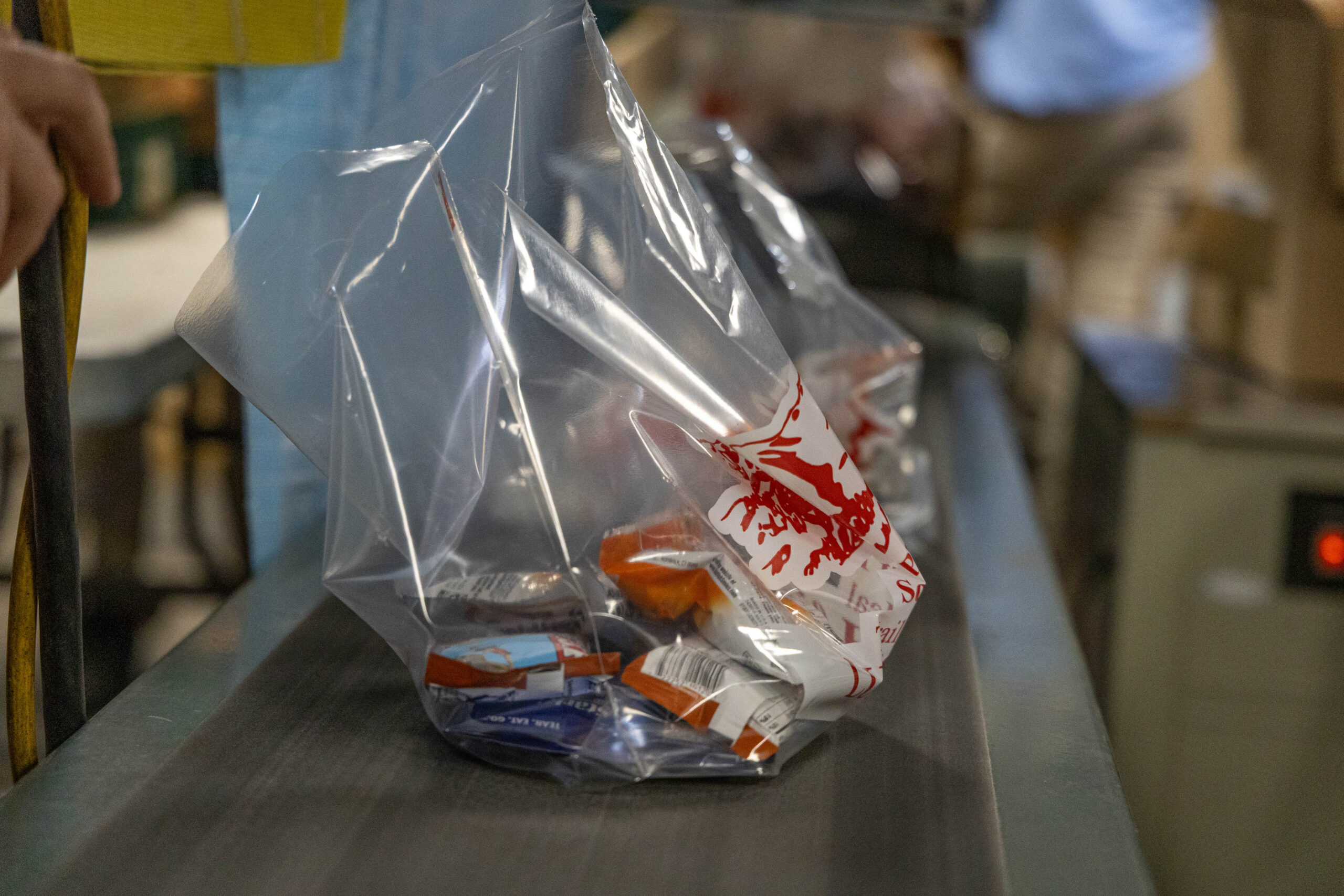
Photo By Russ Walliser
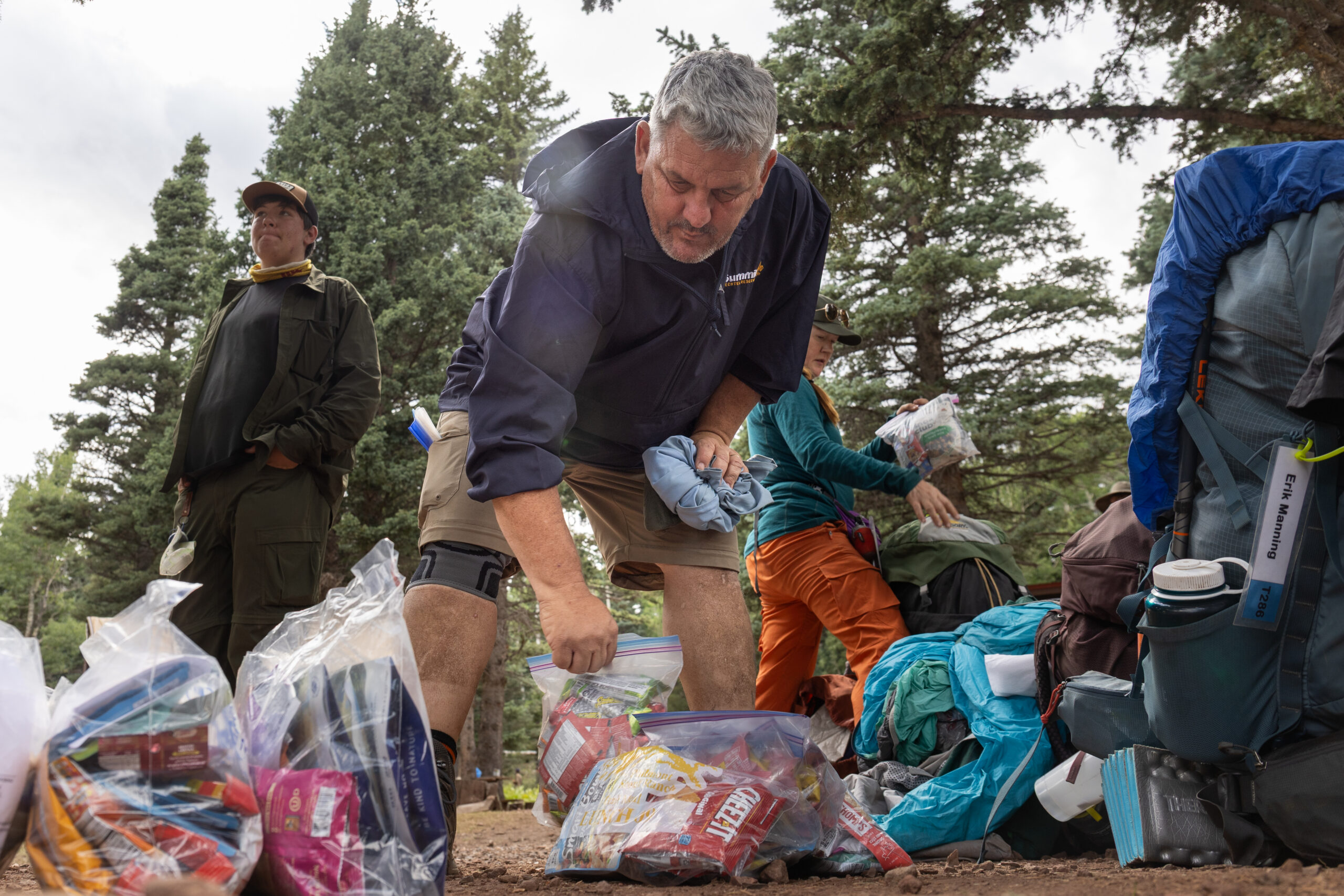
Photo By Elena Scherry
During the summer, there are two main types of shipments across Philmont: Sending meal bags to the various commissaries both on and off base and sending grocery orders to the backcountry staffed camps.
All the food for trail meals, backcountry camps, and special orders in the summer arrives either from large trucks three times a week from Shamrock Services, primarily out of Albuquerque, with indirect shipments coming through Phoenix, or from Philmont trucks, picking up orders from Russell’s convenience store in Cimarron. Shamrock’s orders are put in two days ahead of their arrival. Once unloaded at the warehouse, the food is checked over for the correct expiration date, then organized into various rooms, fridges, and freezers.
Meal bag planning starts in the fall. In November, the Commissary uses the registration numbers, trek schedules, and master sheets to order the trail food needed for the summer. In January, Derek Shiney and his team organize and divide the food into thirty different meals, labeled with both the meal type (breakfast, lunch, or dinner) and the corresponding day. Once meal bags are filled, they are sealed and boxed accordingly, stored in the main warehouse to be distributed the following summer season.
For crews, trail meals are distributed both before and during their trek. Before Scouts hit the trail, they stop by the Commissary located at Outfitting Services to receive the first three to four days of their trek’s food. Outfitting Commissary Staff look over their Crew Leader Copy and distribute the food accordingly. They hand them meal bags from specific crates, organized by crew, a day before their arrival. Each meal bag feeds two people. Depending on the length of the trek, Scouts stop at, on average, about one to three backcountry commissaries along their itineraries.
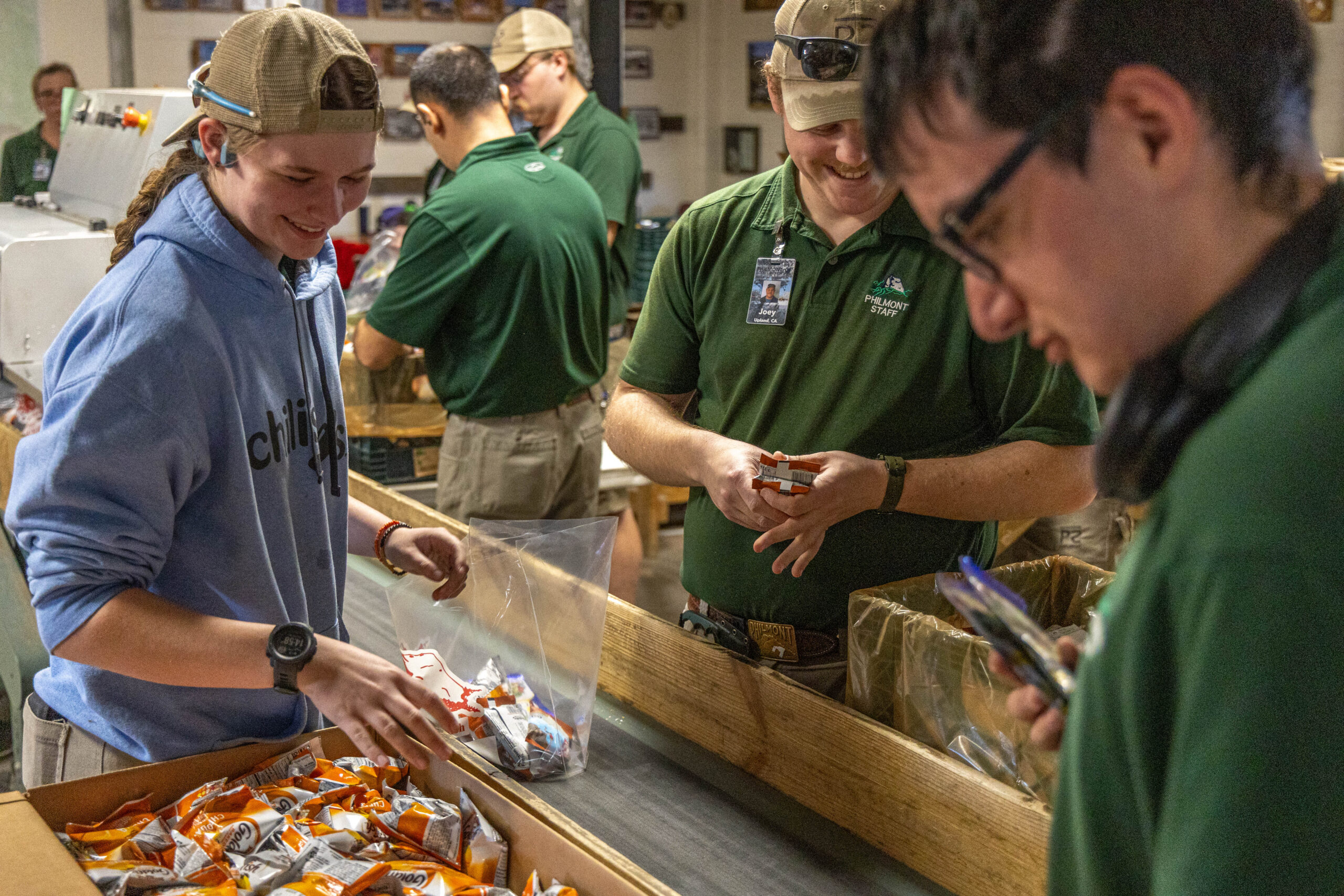
Photo By Russ Walliser
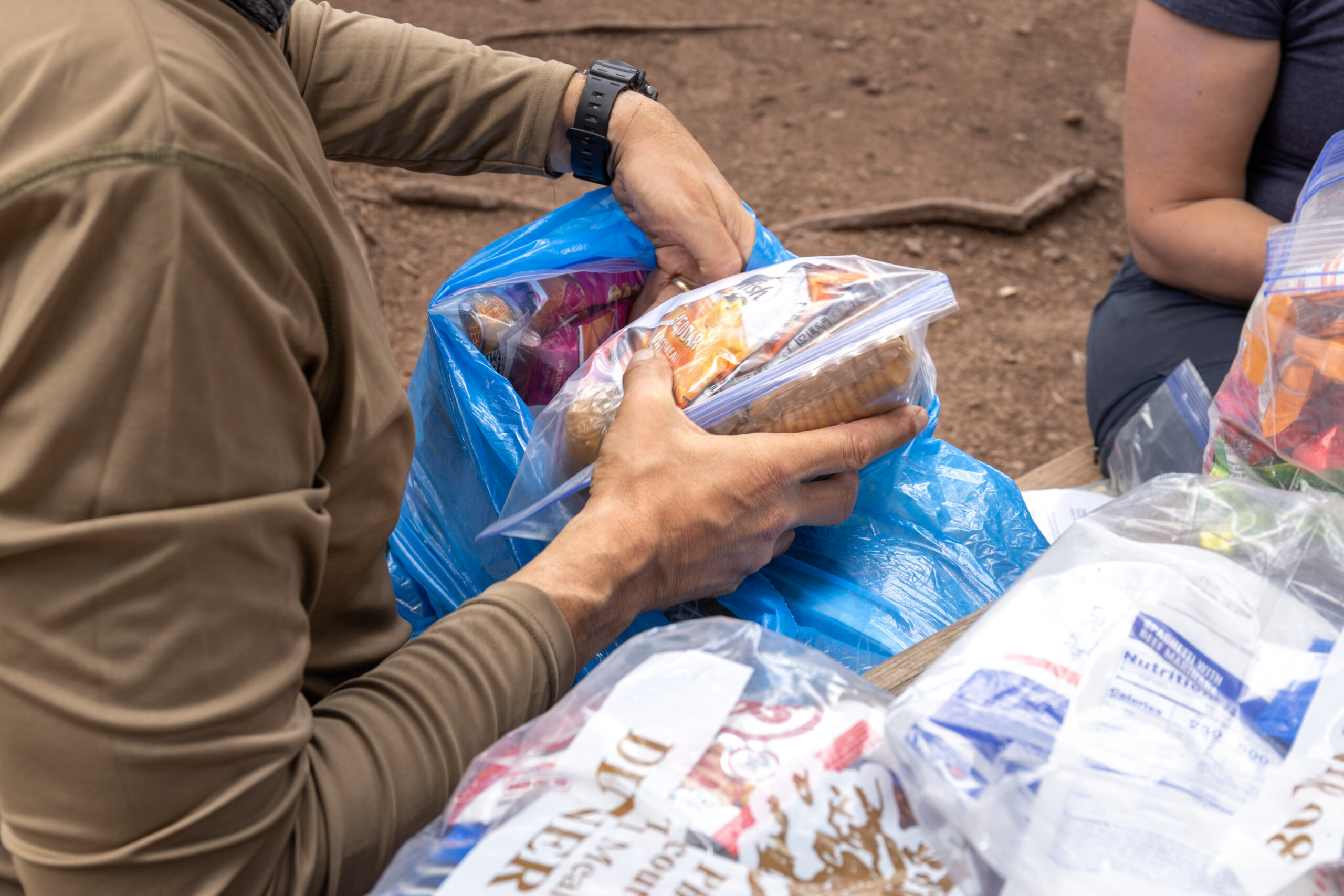
Photo By Elena Scherry
A similar process unfolds at the backcountry commissary camps when crews arrive days into their trek, crew copies are exchanged, and food is provided. Backcountry camps are resupplied with boxes once a week via commissary trucks, independent of the number of Scouts coming through. Backcountry camps stay oversupplied to avoid shorting Scouts on meals.
“They bring more trail meal boxes every week, and they bring all the perishables, the fruit, the milk,” Backcountry Commissary Manager for Phillips Junction, Anthony Demick said. Shipments for the trading posts, including trail gear and sodas, come from the Tooth of Time Traders.
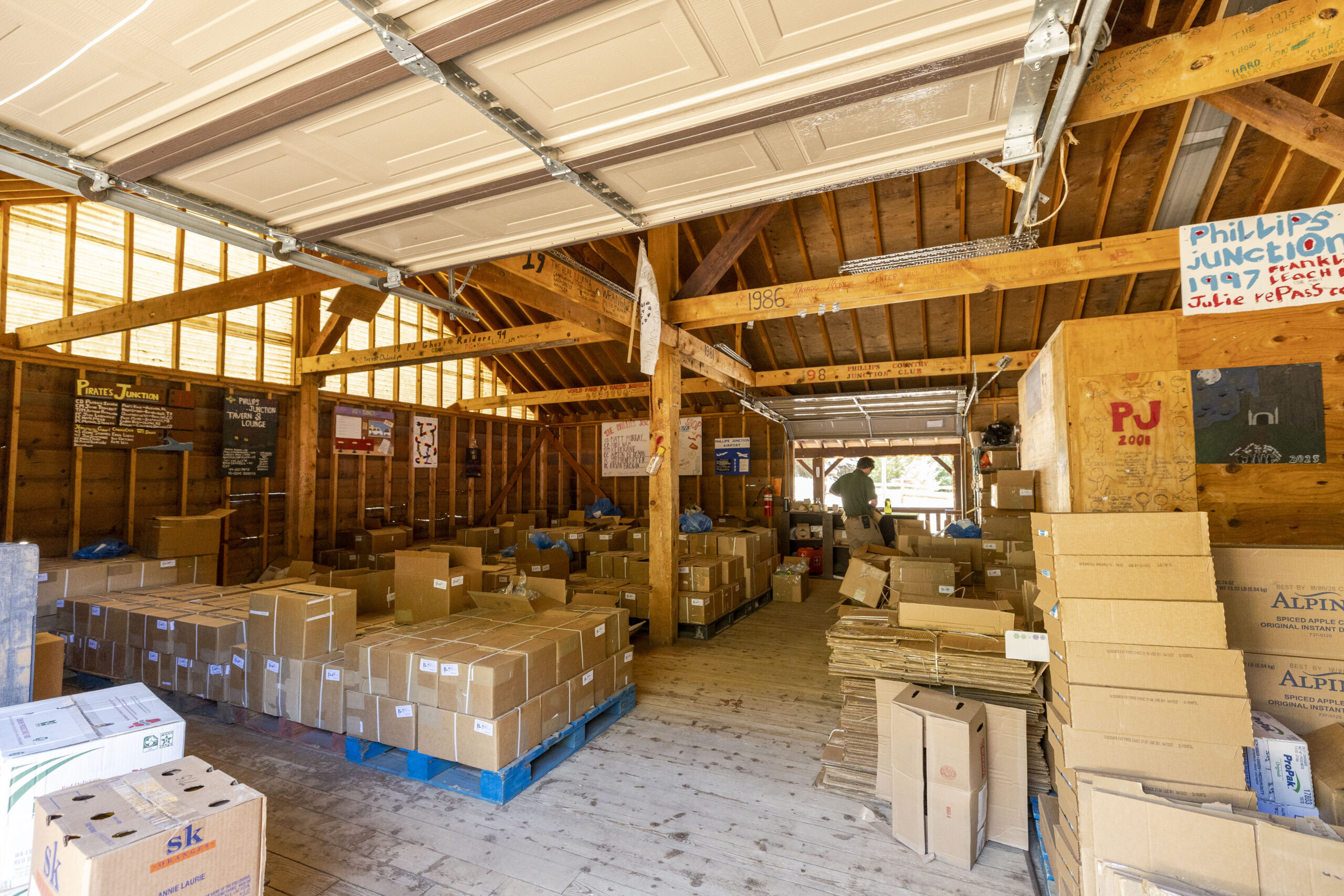
Photo By Sarah Peplow

Photo By Elena Scherry
Despite the physical preparation in the fall, Trail food season actually kicks off with the Trail Food Showcase, which happens toward the end of July each year. It’s a chance for staff and participants to give feedback on the current menu and sample new products from vendors that might make their way into future trail meals. Everyone is welcome, and feedback from across the Ranch is important—from Nayle to PTC to Rayado to OATC, and of course our 7-, 9-, and 12-day treks. One thing that’s easy to overlook is that these meals have to work for a huge range of people. The same meal might be eaten by a PTC participant taking a short hike up Lovers Leap, a 17-year-old on a strenuous trek covering 12 miles a day, or an 80-year-old advisor on a program-focused seven-day itinerary. After the menu is finalized, the products go out for bid. Once those bids come back, they have to balance quality, availability, and budget, deciding where to spend a little more and where they have to make compromises. Orders are typically placed in October and November, and products start arriving toward the end of the year.
Scouts are not the only ones on the ranch who depend on the Commissary for food. Since backcountry camps are isolated from basecamp, staff prepare and eat their own food from the kitchens in their main cabins. Supplied with groceries from commissary trucks, staff receive regular items such as milk, eggs, bread, fruit, and on occasion desserts. The staff decide on what groceries need restocking, fill out a commissary form, and send it out on the next visiting commissary truck.
The process of organizing orders for the staff camps is fun to watch. Their orders at the warehouse are packed two days before they are shipped to the backcountry camps for the staff.
“So they start in the same spot every time and just go through and basically go shopping,” said Warehouse Associate Michael Richards. Talking about the process of staff using a shopping cart to walk through the warehouse collecting items.
In addition to all of the backcountry food and supply drops, they also deliver food and supplies throughout base camp seven days a week during the summer and several days a week during the off-season. About 30% of Philmont’s dining hall food and supplies come through the commissary on pallets—think bacon, milk, sausage links, paper towels, fruit, and similar items. They buy many of these products by the pallet and then shuttle over only what the dining halls need for the next day. It saves space, keeps inventory rotating, and still gives them enough safety stock when something unexpected comes up.
Aside from food delivery and management, most people may not know that the Commissary also handles the Tent Shop (Canvas Repair), led by Dan and the team, as well as the Recycling and Sustainability program, led by Janson Samora and Alden Dettmann. In the winter, the deli counter turns into a butcher shop, cutting game meat for participants, processing deer, elk, and cows. Programs that are extremely important to the sustainability and longevity of Philmont.
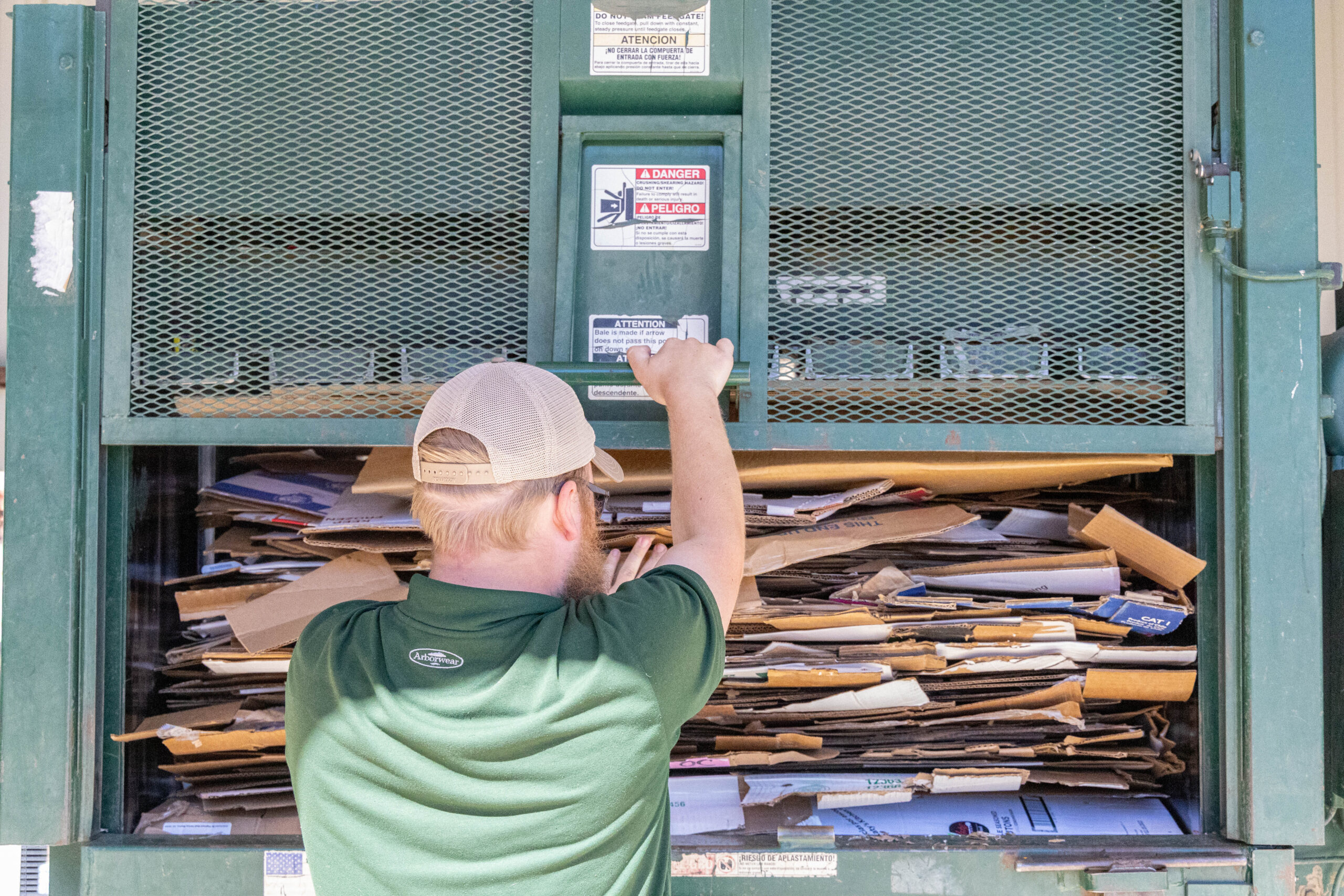
Photo By Russ Walliser
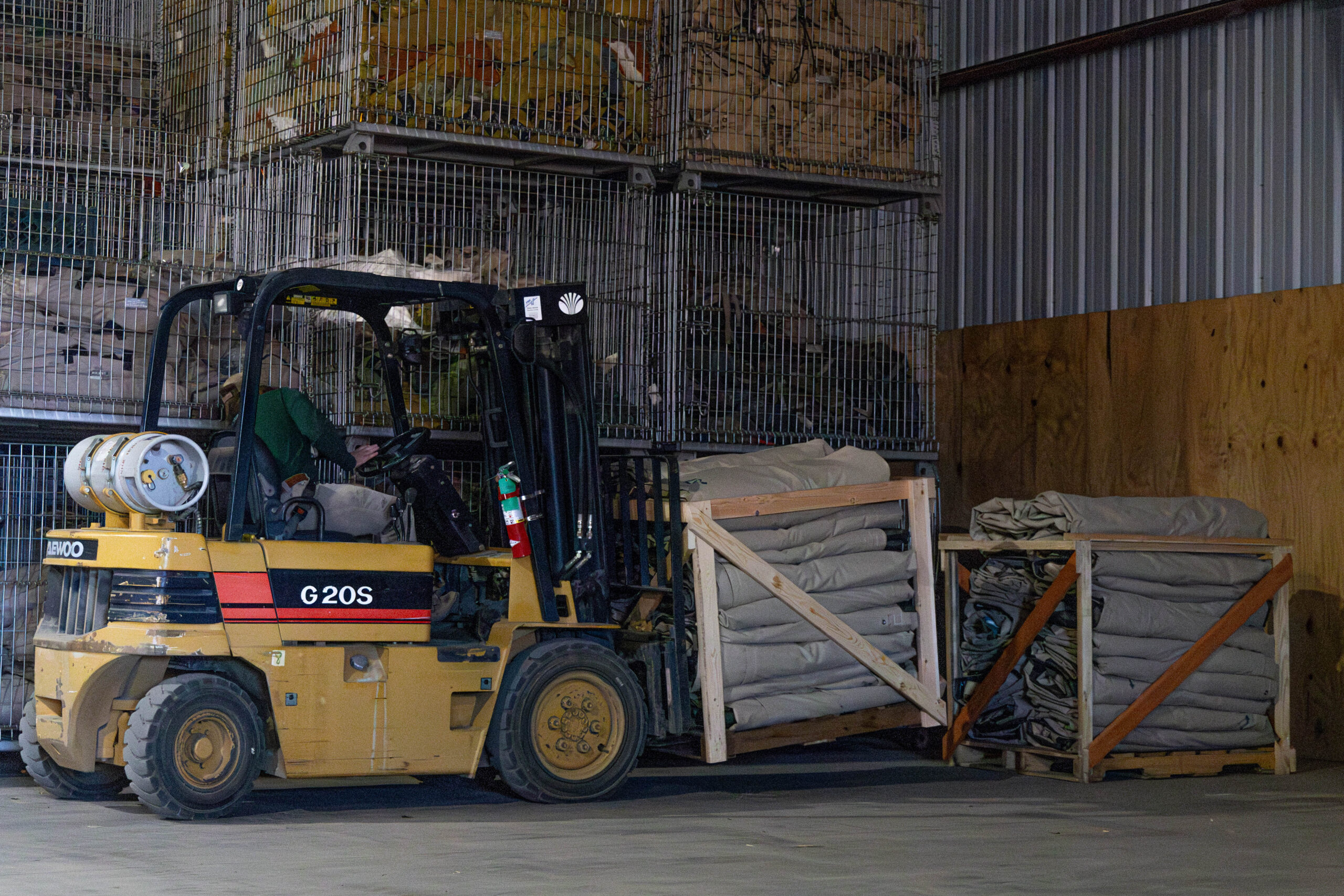
Photo By Russ Walliser
In the summer, a normal commissary truck run includes loading up a commissary camp’s prepped meal bags in organized boxes, as well as the staff camp’s groceries. Once unloaded, trucks reload with the camp’s trash and reusable meal boxes, presorted by size and type, ready to be stored and reused later in the season.
To avoid an overflow of large deliveries during the busiest part of the season, Commissary takes on special orders, or hard-to-find items such as batteries, duct tape, cake icing, and coffee during the spring. The difficulty is avoiding thousands of dollars of food waste while maintaining a fully stocked and ready commissary for campers; however, using past consumption reports, they can estimate annual demand and execute a plan equipped for the summer.
Although most of the action for the commissary happens from March through June, full-time staff work year-round to keep scouts fed and participants coming back to Philmont year after year. Depending on the production schedule, they may hire up to 14 seasonal employees for about 12 weeks during the spring (January through April) to help with meal production. Applications are always open. It’s a great time to live at Philmont with free housing, free meals, and the ski resorts just down the road.
Philmont is not just a camping trip or a hike in the backcountry; it is difficult, rewarding, and requires adequate food and supplies to make the journey possible. With that, the Commissary prides itself on its dependability, equipping scouts with food all throughout their trek
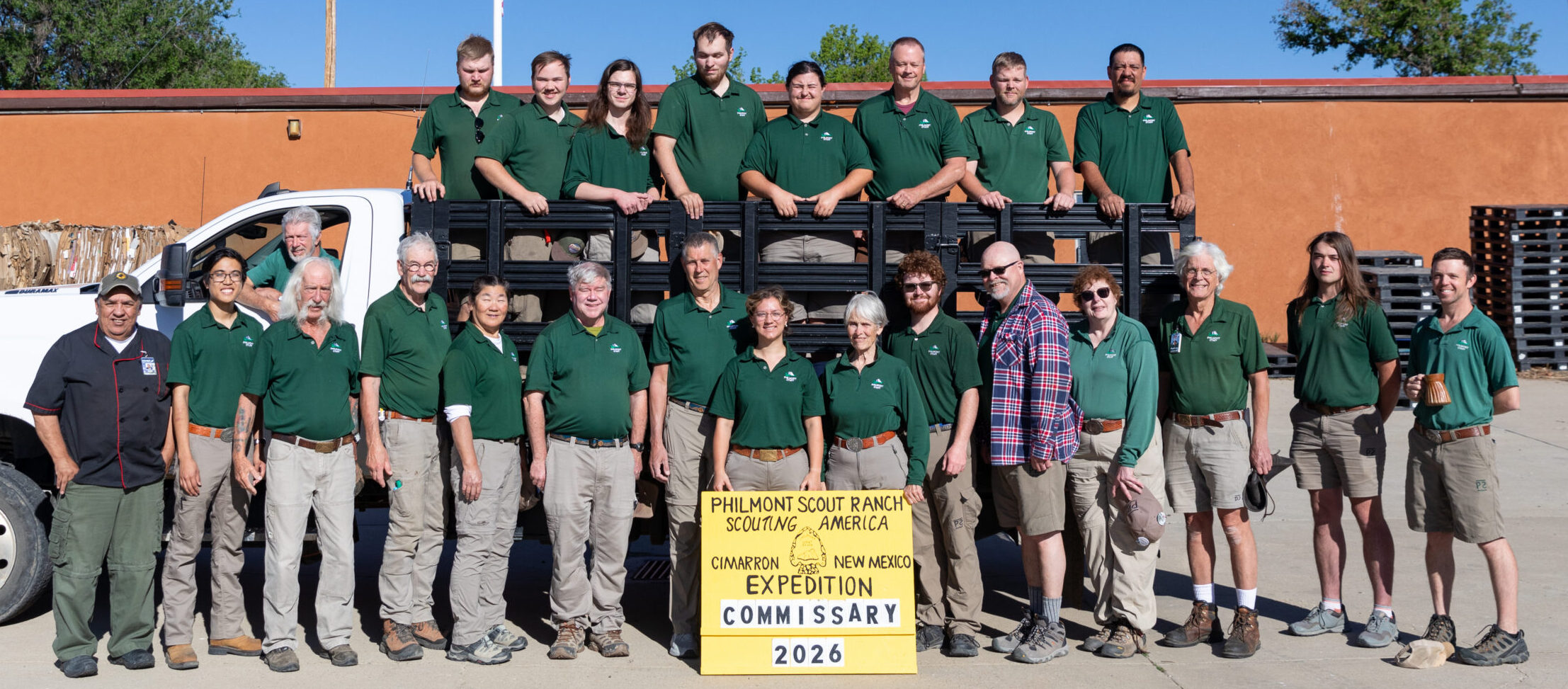
Photo By Muriel Alldredge