
Philmont experiences different weather patterns depending on the time of year. In June, we normally receive very little precipitation and daytime highs can reach as high as 100° F with single-digit humidity. The monsoon season hits northeast New Mexico between late-June and early-July and will stay until early-August most years. The monsoon season is characterized by large thunderstorms that build throughout the morning and bring rain, hail, and lightning in the afternoon. Usually the rain, hail, and lightning last anywhere between 45 minutes and two hours then the skies clear up and temperatures rise again. Regardless of the time of year of your trek, it is recommended that crews always bring adequate rain jackets and rain pants, a good fleece jacket, and a stocking cap. Staying well hydrated is another key to having a successful trek, even in colder, rainy weather when hikers often forget to keep drinking water.
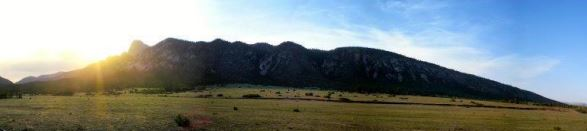
High Desert Plains
Elevation: 6,500 feet up to around 7,500 feet
You’ll find a landscape full of native grasses, scrub oak, sagebrush, yucca plants, cottonwood trees, and some ponderosa pines.
In the summer, daytime temperatures can reach the upper 90s to low 100s, while nights cool down to the mid-50s.
In the winter….
Water and shade are limited in this area, so it’s a good idea for crews to start early and hike before the midday heat kicks in.
Foothills
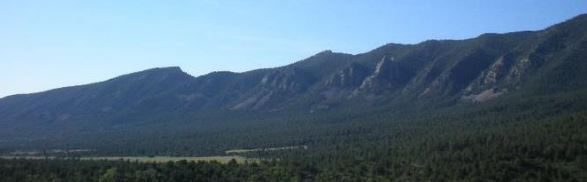
Elevation: 7,500 to 8,500 feet
This area is known for its large ponderosa pine forests with scrub oak growing underneath.
In summer, daytime temperatures can reach the mid-90s, while nights can drop into the high 40s.
In the winter….
Water sources are easier to find here than in the high desert plains, but it’s still important to fill your water containers whenever you get the chance.
Montane (Spruce-Fir Zone)
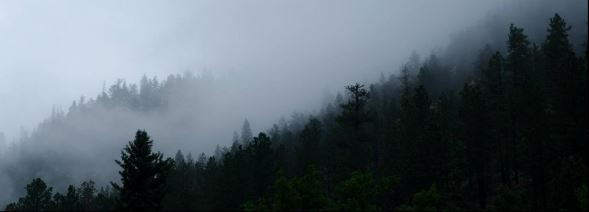
Elevation: About 8,500 to 10,000 feet
This zone is filled with wildflowers, streams, and forests of Douglas fir, blue spruce, and aspen trees.
In summer, daytime highs reach the upper 80s, while nights can drop to the mid-40s.
In the winter….
Because this area is mostly on the east side of the Cimarron Range in the Sangre de Cristo Mountains—and storms usually come from the west—it’s often hard to see weather coming until it’s right overhead.
During the monsoon season, from late June or early July to early August, this region can experience rain for several days at a time. Having good rain gear and a warm fleece jacket is key to staying dry and comfortable.
Sub-Alpine
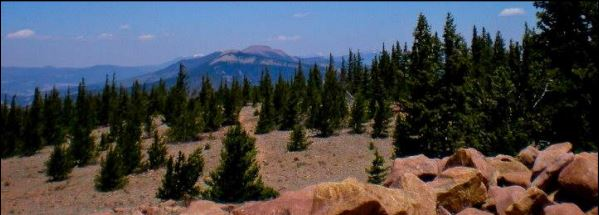
Elevation: Approximately 10,000 to 11,500 feet
This zone features fewer tall plants. Besides grasses, the main trees you’ll find are Bristlecone Pines and Limber Pines.
In the summer, daytime temperatures usually reach the low 80s, while nights can drop into the upper 30s.
In the winter….
Storms can develop quickly, and water is often scarce due to the high elevation. When camping in this zone, many crews prepare their dinner meal earlier in the day at lower elevations and eat a dry lunch for dinner to conserve water.
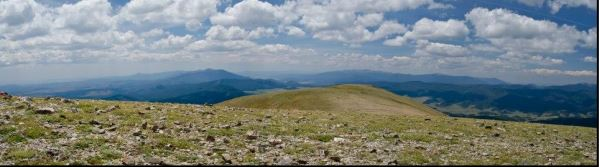
Alpine
Elevation: Above 11,500 feet
This zone is marked by a sharp drop in vegetation. Mostly grasses grow here, with the occasional bristlecone pine spotted above the tree line.
In the summer, daytime temperatures usually reach the mid-60s, while nights can dip into the low 30s.
In the winter….
Weather can change suddenly and without warning. Crews are strongly encouraged to start early and pass through alpine areas before noon to avoid being caught in lightning storms without tree cover.
Lightning Danger
Lightning is a serious hazard at Philmont, so it’s important to stay alert. When you see lightning, count the seconds until you hear thunder. If that time is 30 seconds or less, it’s time to move to safer ground immediately.
If you need to take the lightning position, have crew members spread out about 30 feet apart. This spacing helps ensure that if someone is struck, others can quickly assist with CPR.
Once spaced out, keep your feet together to reduce the risk from ground current, then crouch down—still keeping your feet together—to lower your chance of a direct strike. If you sense a strike is about to happen, cover your ears and close your eyes.
Always watch out for your crew, stay in wooded areas if possible, and never stand near the tallest object around.